

Weather Events, Known Risks and Neighbour Liability
A recent High Court decision is likely to have implications for rural landowners, orchard owners, developers and anyone responsible for land affected by erosion, drainage issues or slope instability.
In Larsen v Runes Investments Pty Ltd [2026] NZHC 2586, the High Court confirmed that a landowner may be liable for damage caused to neighbouring properties where they are aware, or ought reasonably to be aware, of a hazardous condition on their land and fail to take reasonable steps to address it.
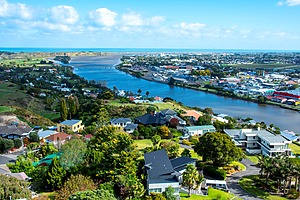
The case arose from a dispute between neighbouring properties in Thames. Over a number of years concerns had been raised about drainage deficiencies, unstable fill, erosion and landslip risks on one property. Despite repeated warnings and expert reports identifying the risks, the recommended remedial works were not undertaken.
When Cyclone Gabrielle struck, a substantial landslip occurred, causing extensive damage to the neighbouring property.
The Court ultimately upheld findings that the landowner was liable in nuisance, awarded substantial damages and ordered remediation works to be undertaken.
Why is this decision important?
The significance of the decision lies in the Court’s confirmation that liability can arise even where a landowner did not create the original problem.
The Court reaffirmed that once a landowner knows, or ought to know, that a dangerous condition exists on their land, they may have a positive obligation to take reasonable steps to prevent that condition causing harm to neighbouring properties.
Importantly, the Court recognised that a known instability risk or erosion hazard can itself constitute a continuing nuisance, even before a major failure occurs.
Extreme weather is not always a defence
One of the most noteworthy aspects of the judgment is the Court’s treatment of Cyclone Gabrielle.
The defendant argued that the cyclone was an extraordinary event that caused the damage. The Court rejected that argument.
Instead, the Court focused on whether the type of damage that occurred was foreseeable. Because there had been repeated warnings about the risk of instability, erosion and landslip, the cyclone did not break the chain of causation.
The practical effect is that severe weather will not necessarily excuse a landowner from liability where known risks already existed and reasonable preventative action could have been taken.
What does this mean for property owners?
The decision serves as a reminder that landowners should take seriously any reports, complaints or warnings relating to:
- unstable slopes;
- erosion;
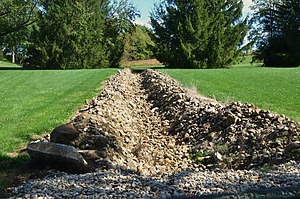
- stormwater and drainage issues;
- retaining structures;
- loss of support risks;
- stream bank instability; or
- historic earthworks and unmanaged fill.
Where concerns are raised, obtaining appropriate expert advice and taking reasonable remedial steps may be critical in managing future liability.
Relevance following recent weather events
The decision is likely to be particularly influential in disputes arising from Cyclone Gabrielle and other significant weather events experienced across New Zealand in recent years.
Many affected properties have experienced damage associated with pre-existing slope instability, drainage failures, erosion processes and land movement. This judgment provides useful guidance on when responsibility for that damage may extend beyond the immediate effects of the weather event itself.
For insureds, property owners and neighbouring landowners alike, the case highlights the importance of understanding what was known before the weather event occurred and what steps were taken in response.
Key takeaway
The message from the High Court is straightforward. A landowner who is aware of a potentially dangerous condition on their property cannot simply ignore it and rely on an extreme weather event as a defence if the foreseeable risk later materialises.
As climate-related weather events become more frequent and severe, this decision is likely to be cited regularly in disputes involving erosion, slips, drainage failures and damage to neighbouring land.